The Paradox of Time Travel in Time Travel is Real.com
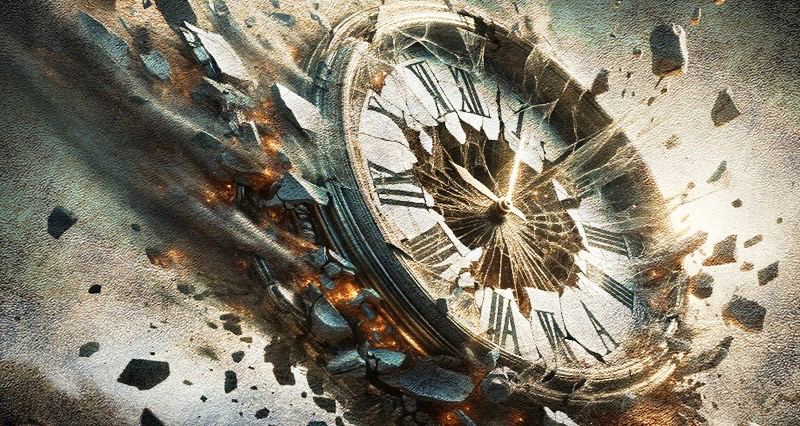
The Paradox of Time Travel in Time Travel is Real.com
In Time Travel is Real.com, Brian Scott Jarvis presents readers with an electrifying exploration of the paradoxes embedded in time travel. The novel begins with an exciting premise: Brian, a surfer from North Carolina, meets Carl the First, who introduces him to the ability to travel through time. At first, time travel is thrilling—something to be used for fun, to see the past and future, and to live out incredible adventures. However, as Brian continues his travels, the fun quickly turns into something deeper. Time, it seems, is not just a playground to explore but a complex force with unexpected consequences. The book masterfully illustrates the paradox of time travel—the thrill of exploring different times and places, coupled with the sobering realization that time, like a river, always moves forward and cannot be fully understood or controlled.
The Allure of Time Travel: Freedom or Escape?
In the early chapters of Time Travel is Real.com, Brian’s time travels seem like a dream come true. He surfs waves before they were discovered, visits the last day of the dinosaurs, and even leaves an 8-track tape on Mars. For Brian, time travel feels like a way to escape the limitations of his own life. He’s able to visit incredible places, witness historical events, and enjoy the freedom of being untethered from the constraints of time. There’s an undeniable excitement to the adventures Brian embarks on. The world of time travel is vast, and the potential for exploration seems limitless.
This early freedom and excitement are what most readers will be drawn to—after all, who wouldn’t want the chance to travel through time and witness history firsthand? The rush of seeing ancient waves or standing before creatures that roamed the Earth millions of years ago offers a sense of liberation. Brian’s ability to slip in and out of history as he pleases feels, at first, like a power beyond comprehension. Time becomes not something to respect or understand, but something to be manipulated at will.
However, as the story progresses, the reader—and Brian—begin to realize that this freedom is not without its costs. Time travel, in all its glory, starts to reveal its paradox. While it offers escape, it also requires responsibility. The more Brian explores time, the more he begins to feel the weight of history—both the beauty and the tragedy. Time, which once seemed like a toy, becomes something much more serious, something that demands a deeper understanding.
The Paradox of Control: Can We Ever Escape Time?
What makes Time Travel is Real.com so compelling is its exploration of the central paradox of time travel: the illusion of control. Time, for Brian, seems like something he can master. He’s able to jump from moment to moment, revisiting the past and venturing into the future with ease. But this freedom of movement eventually reveals itself to be an illusion. Time, as Carl explains, is not something that can be controlled. It is not a linear progression that can be shaped at will, but a living force that moves forward relentlessly.
The more Brian travels, the more he realizes that no matter how much he manipulates time, he cannot escape its inherent flow. Time is always moving, always changing, and no matter where he goes, he’s always bound by its passage. Even as he jumps between eras, Brian finds himself confronted by the inevitability of time’s forward march. He can witness history, but he cannot change it—not in any meaningful way. His attempts to control time only serve to highlight its elusiveness.
This realization strikes hardest when Brian visits the D-Day invasion. What seemed like an exciting chance to witness history firsthand becomes a sobering encounter with the brutality and horror of war. The battle’s violence and destruction are not just moments in the past; they are present in the very fabric of time itself, affecting the present and the future. No matter how many times Brian visits or revisits this moment, the horror of D-Day remains unchanged. Time travel, in this sense, becomes an exploration not of mastery but of helplessness. Brian, for all his ability to jump through history, cannot stop the inevitable.
This paradox, the tension between freedom and inevitability, is central to the book’s message. Time travel, while seemingly a gift, ultimately reveals the limits of human control. No matter how much Brian may wish to change the past or alter the future, time remains unyielding. The realization that time is not something that can be controlled but something we must learn to live with is what makes Time Travel is Real.com more than just an adventure story. It becomes a reflection on the human condition and our relationship with the passage of time.
The Paradox of Freedom: Living in the Present
While the paradox of control is a central theme, another crucial paradox emerges as Brian begins to truly understand the nature of time travel. As he journeys through different periods, witnessing the grandeur of history and the future, he begins to realize that time travel comes at the cost of living in the present. The more Brian hops through time, the more he distances himself from the world he’s in right now. He’s able to witness grand events, but he’s not truly experiencing them.
This paradox—the freedom to travel through time, but the loss of connection to the present moment—becomes more evident as Brian spends time in the past and the future. He’s always observing, but never truly participating. The people he meets, the events he witnesses, they are all part of a time that he’s just passing through. He doesn’t live in these moments; he just moves through them. The weight of this realization hits hardest when Brian finds himself in Normandy during D-Day. The suffering, the violence, the devastation—it’s all happening right in front of him, but he is powerless to change it. He is merely an observer, a ghost in the past.
The emotional toll of this realization becomes clear as Brian grapples with his desire to be present in the world around him. Time travel, as it turns out, isn’t just an escape from the present—it’s also a way of avoiding it. Brian’s adventures take him away from his own life, from the people he cares about, and from the world he knows. As he moves through time, he begins to lose touch with the very thing that makes life meaningful—the present moment. His time traveling adventures may be thrilling, but they come at the cost of truly living.
Embracing the Paradox: Accepting Time’s Uncertainty
Ultimately, Time Travel is Real.com presents a complex and thought-provoking exploration of the paradoxes inherent in time travel. Brian’s adventures through time force him to confront not just the limitations of time, but the limitations of his own perception. The freedom of time travel is counterbalanced by the realization that time cannot be controlled, that the past cannot be changed, and that the present is all we really have. Brian’s journey through time is a reminder that, despite our best efforts, we are bound by time’s unyielding march.
But this realization doesn’t have to be a burden. Time, for all its uncertainties and paradoxes, offers us the opportunity to reflect on how we live in the present. The key, as Carl the Keeper of Time tells Brian, is to accept time as it is—not as something we can control, but as something we must learn to navigate. Time, in the end, is not an enemy to be defeated, but a force to be understood and embraced. Time Travel is Real.com is a journey not just through history, but through the very essence of time itself, asking us to reflect on how we move through it, and what we choose to do with the time we have.